

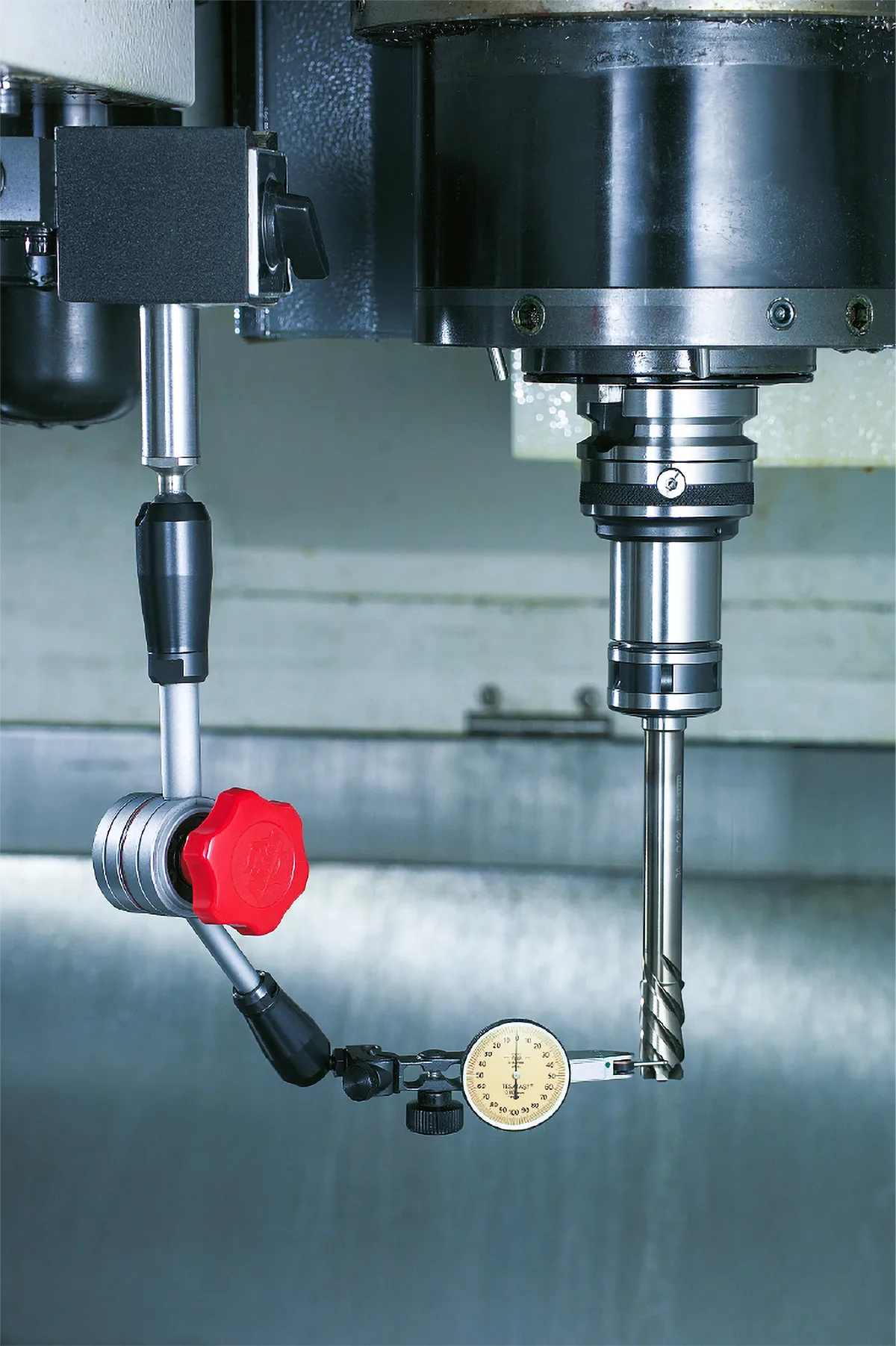
Precise concentricity is essential for good tool performance
Why premium tool holding delivers long-term value?
In today’s manufacturing environment, cost pressures are increasing from every direction – rising material prices, tighter margins, and growing demands for sustainability. As a result, manufacturers must take a closer look at the total cost of ownership across their machining processes. One area that continues to be misunderstood is the true value of quality tool holding; while cutting tools are frequently optimised, the role of tool holders in tool life, process stability, and overall cost efficiency is often overlooked.
Understanding Total Cost of Ownership
When evaluating tooling, it’s easy to focus on upfront costs. However, the total cost of ownership is made up of much more:
- Tool life and replacement frequency
- Machine downtime and set-up time
- Scrap and rework from broken tools and poor surface finish quality
- Process consistency and repeatability
A lower-cost tool holder may appear attractive initially, given the number of budgetary considerations, but if it leads to reduced tool life, increased wear, limited accuracy and poor surface finish, it can significantly increase overall production costs. One of the biggest contributors to poor tool performance is run-out. Even very small levels of inaccuracy at the cutting edge can have a major impact on machining performance. Run-out is often described as a “silent cost” in machining – it may not be immediately visible, but over time it significantly increases tooling consumption and reduces process efficiency.
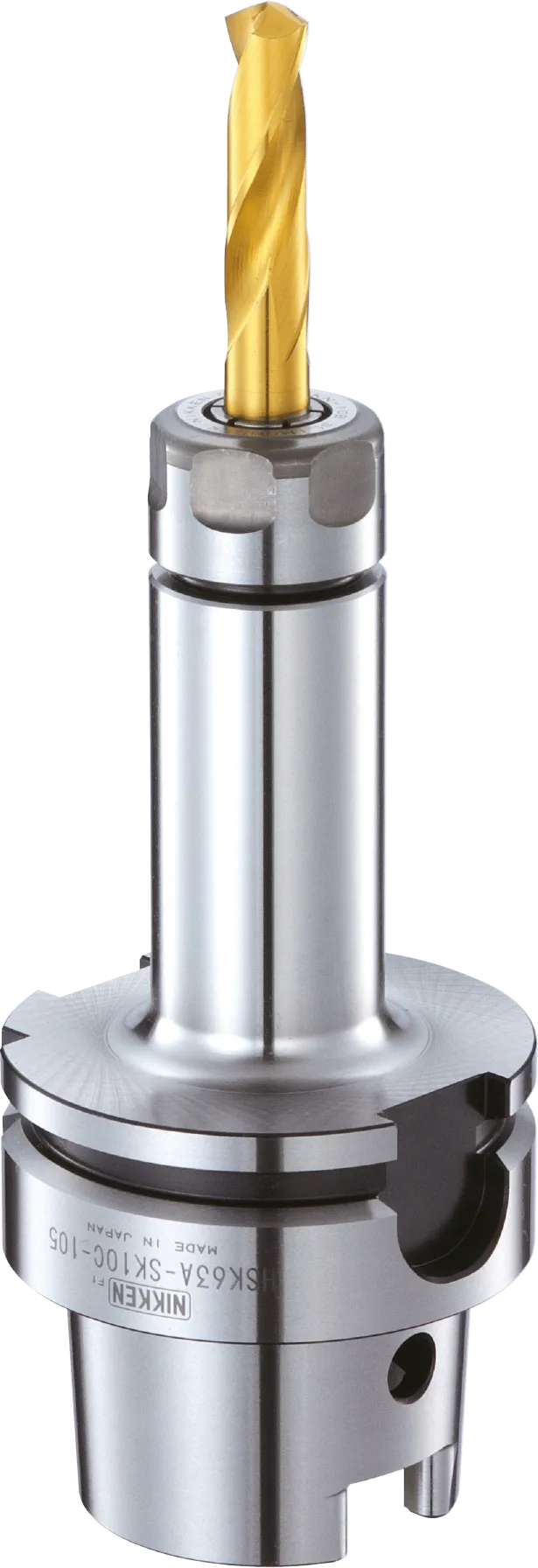
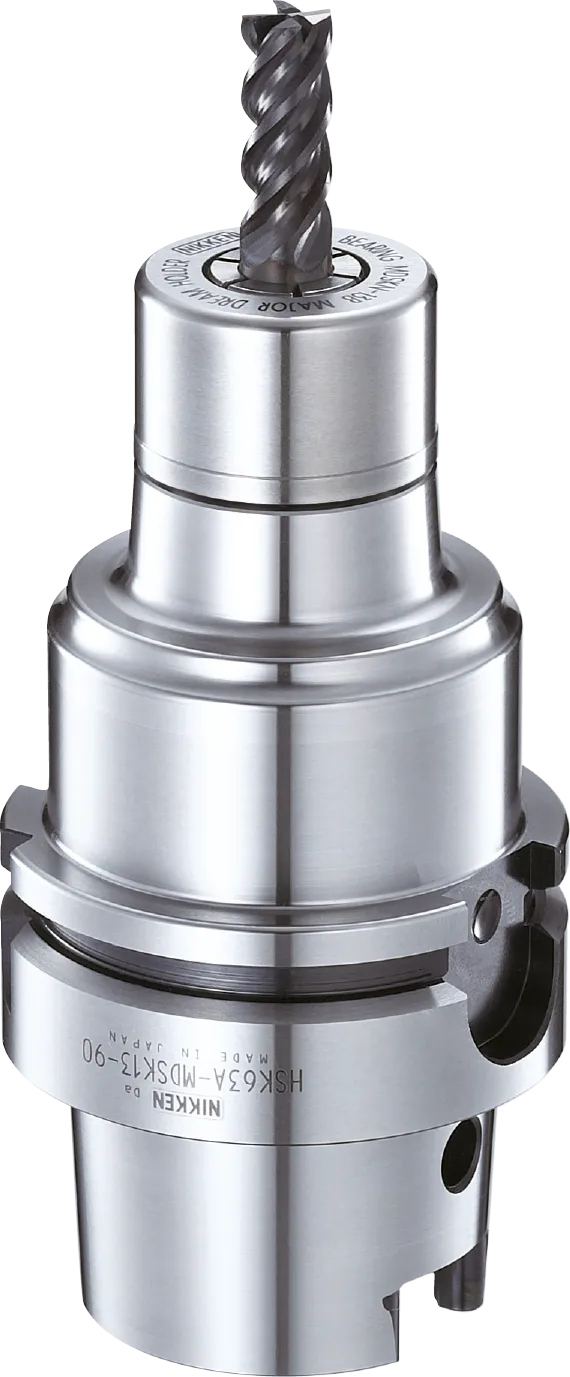
SLIM CHUCK (SK)
with the unique TiN Bearing Nut for high clamping force and impressive precision
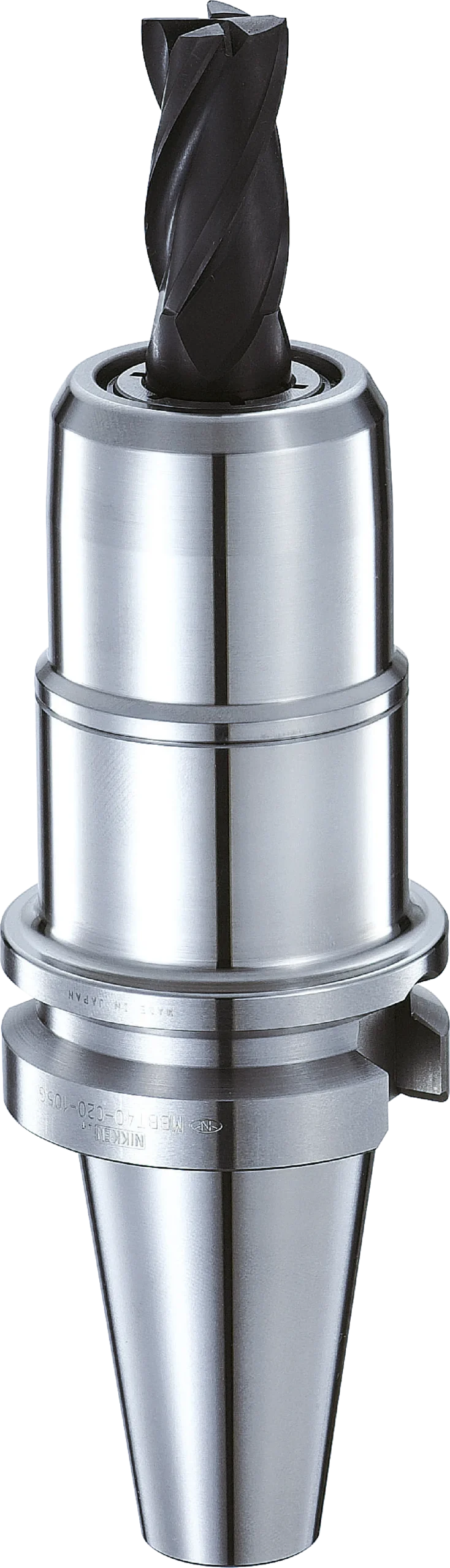
MAJOR DREAM SLIM CHUCK (MDSK)
eliminates process-induced vibrations, resulting in a longer service life and improved surface finish
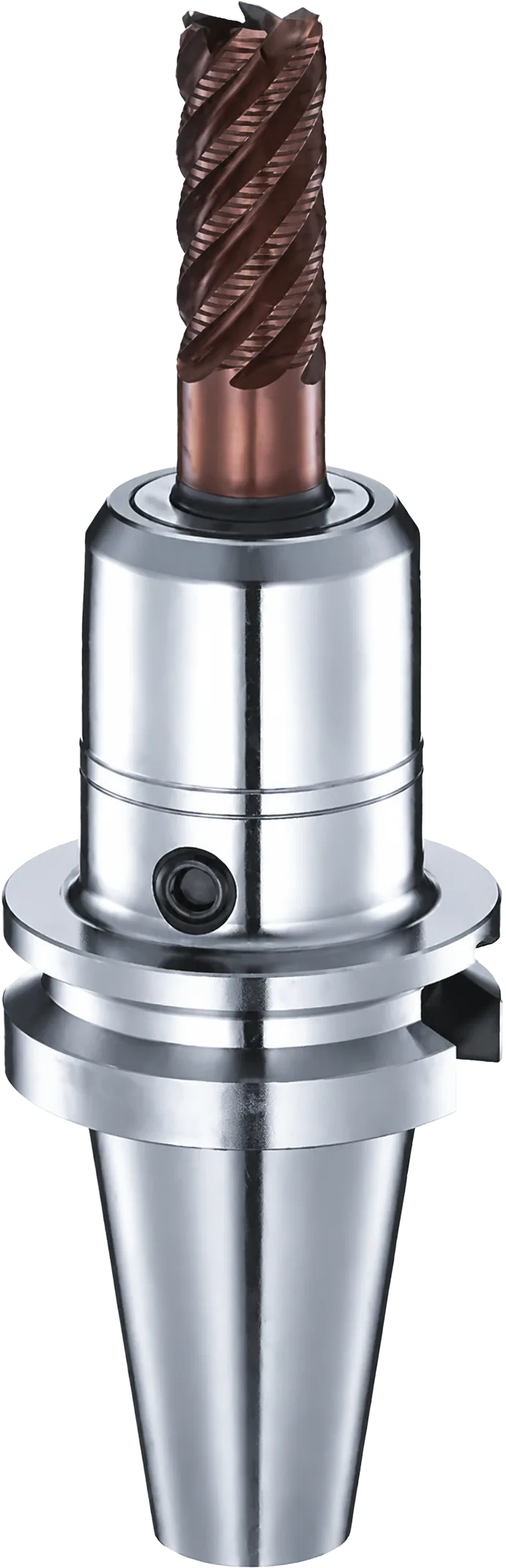
MULTI LOCK
the ultimate mechanical power chuck, offering superior clamping torque across all sizes
X-TREME (C-EX)
ideal for machining difficult-to-machine materials, including those used in the aerospace industry
Sustainability Through Process Efficiency
Sustainability in manufacturing is no longer just about energy consumption; it’s about using fewer resources more efficiently for future gain. Extending tool life has a direct impact on sustainability:
- Less carbide consumption
- Reduced waste or scrap
- Lower energy usage through stable machining
- Fewer rejected parts
By improving the efficiency of the machining process, manufacturers can reduce both cost and environmental impact at the same time. Premium tooling solutions are often evaluated based on upfront cost, but their true value lies in performance over time.
In short, better tool holding protects your investment in tooling.
The NIKKEN Approach: Engineering for Performance
At NIKKEN, they focus on supporting manufacturers in achieving long-term process stability and performance. Their precision-engineered tool holding solutions are designed to support reliable machining performance and extend tool life. By focusing on the entire machining system, not just individual components, they help manufacturers reduce cost, improve efficiency, and build more sustainable processes.
It is the process costs that matter, not the cost of a single tool.
Let’s consider this in a wider context: On a machine tool you’ve got a red button, for feed hold or cycle stop, and a green button for cycle start or run. If you are constantly changing your cutters because of poor run-out and tool life concerns, your red button is active more of the time. With a quality tool holder and reliable run-out, it’s the green button that’s lit ensuring optimum spindle up time, productivity and output.
As manufacturers continue to face increasing cost and sustainability pressures, the focus is shifting. It’s no longer about buying the cheaper tool on the day. It’s time to ask, ‘what will this process cost over time?’ and not ‘what does this tool cost?’.